

The project's need
In the Kursunlu district of Cankiri, public transport is run with few vehicles over long distances, with demand varying sharply through the day. The municipality's problems arose from that structure:
On a route with few vehicles, every departure is critical. When the fleet is small, even a single departure running empty is felt in the budget. But in a cash system it could not be measured which departure ran empty, so rescheduling was not possible.
Connectivity gaps are normal on rural routes. A solution that made fare collection dependent on the server would have stopped the route at every point where the network weakened. That was not an acceptable risk.
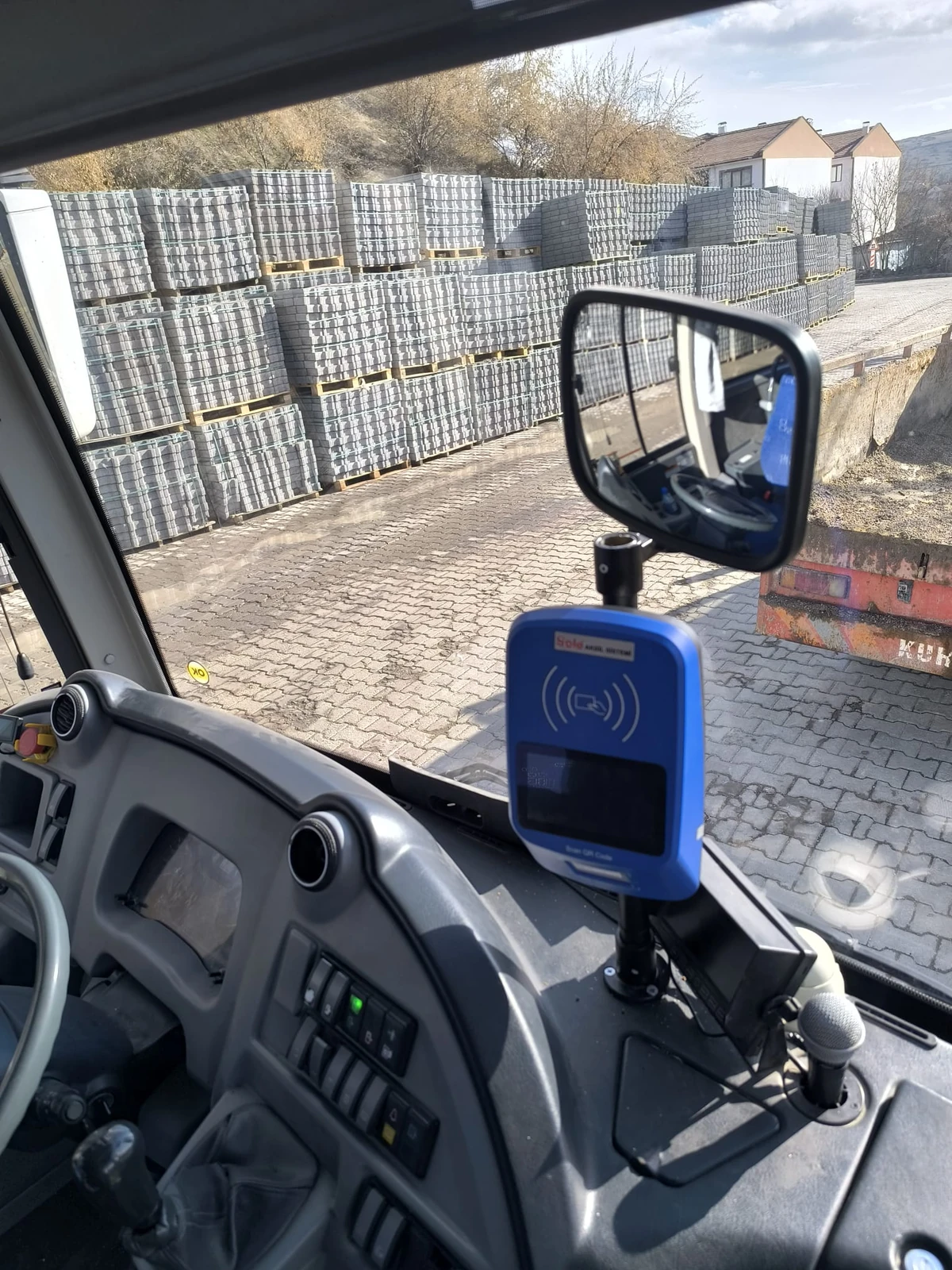
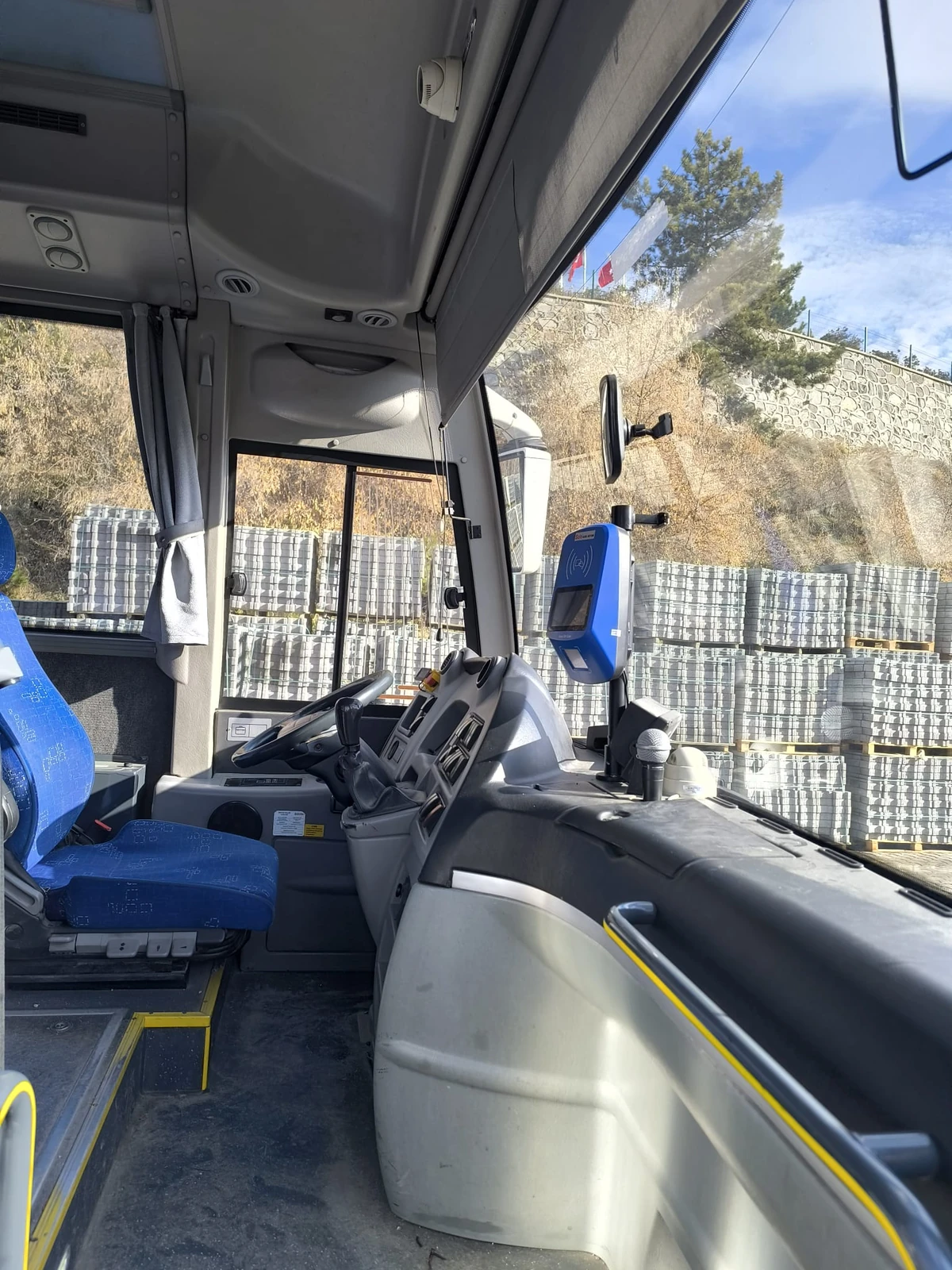
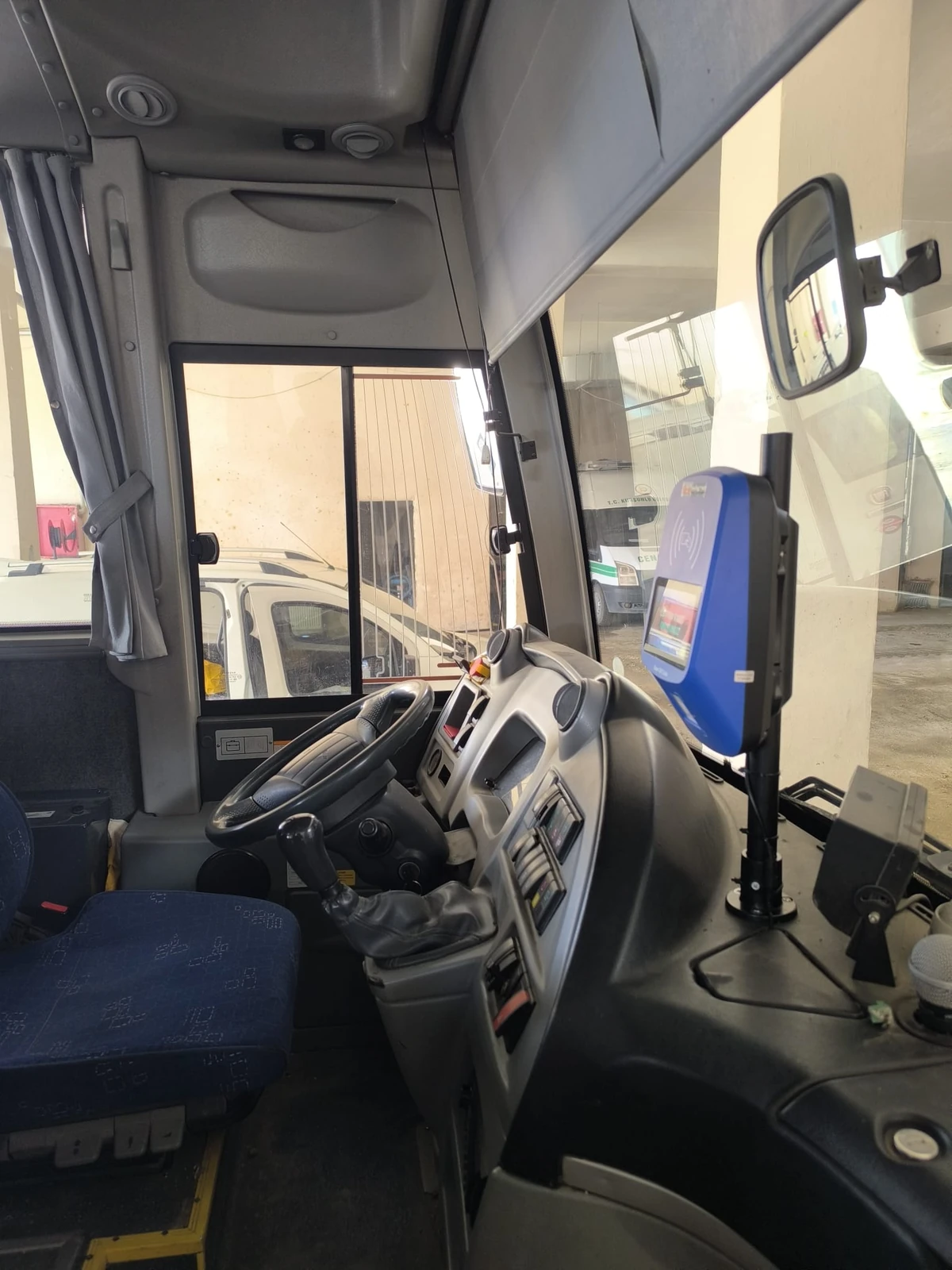
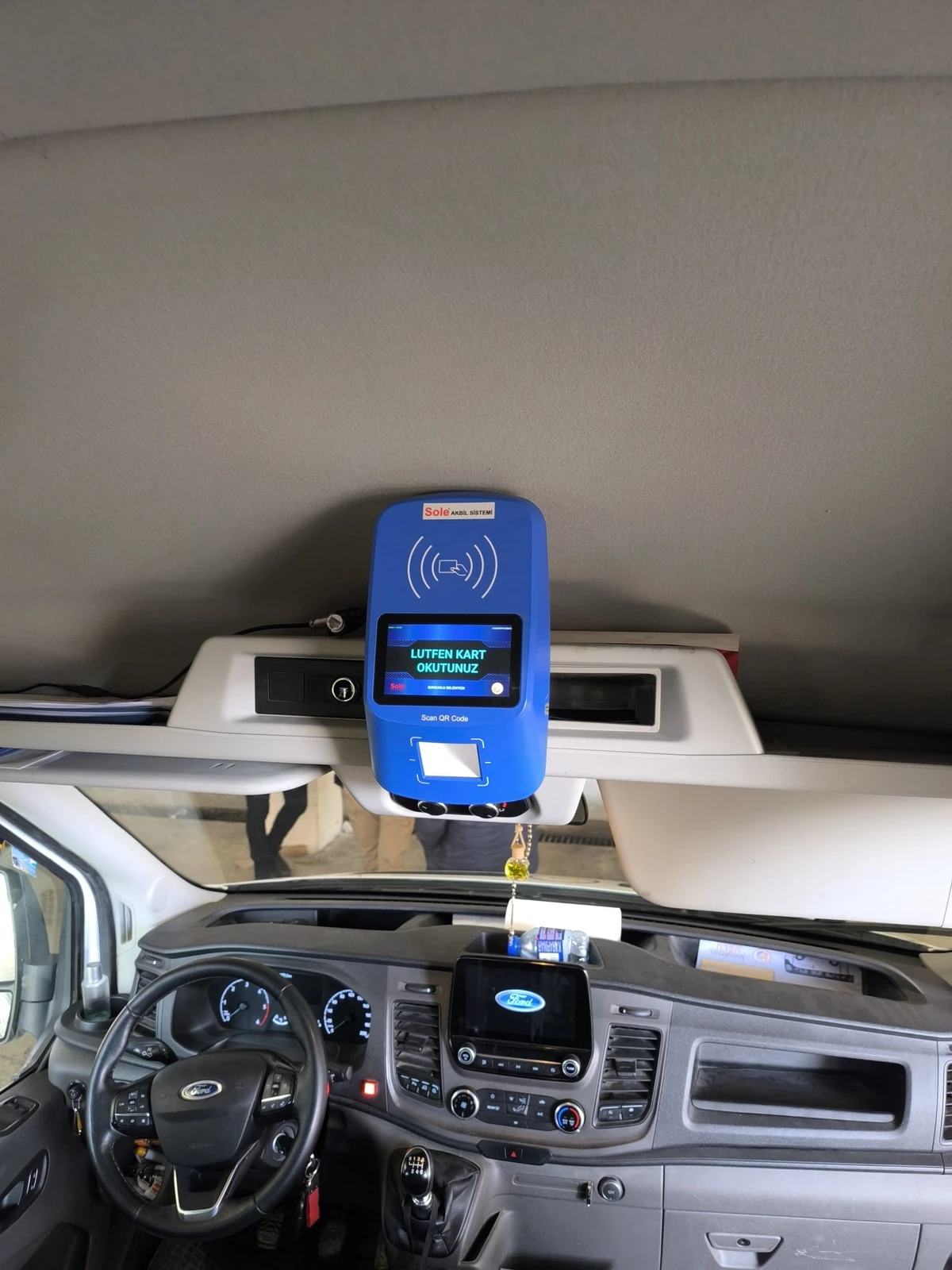
Space inside the vehicle was tight. The device had to obstruct neither the driver's line of sight, nor the movement of gear lever and handbrake, nor passenger flow - a physical constraint to be solved in the field.
Why an akbil system was chosen
The decisive factor in Kursunlu was that the system also works without connectivity. In the Sole akbil system the passage decision is made on the device in the vehicle; because card type, tariff and balance data are synchronised to the device in advance, the route does not stop when the internet drops - passages continue to be accepted and are relayed centrally once the connection returns. On rural routes this feature is not a convenience but a precondition of the project.
The general structure of the system
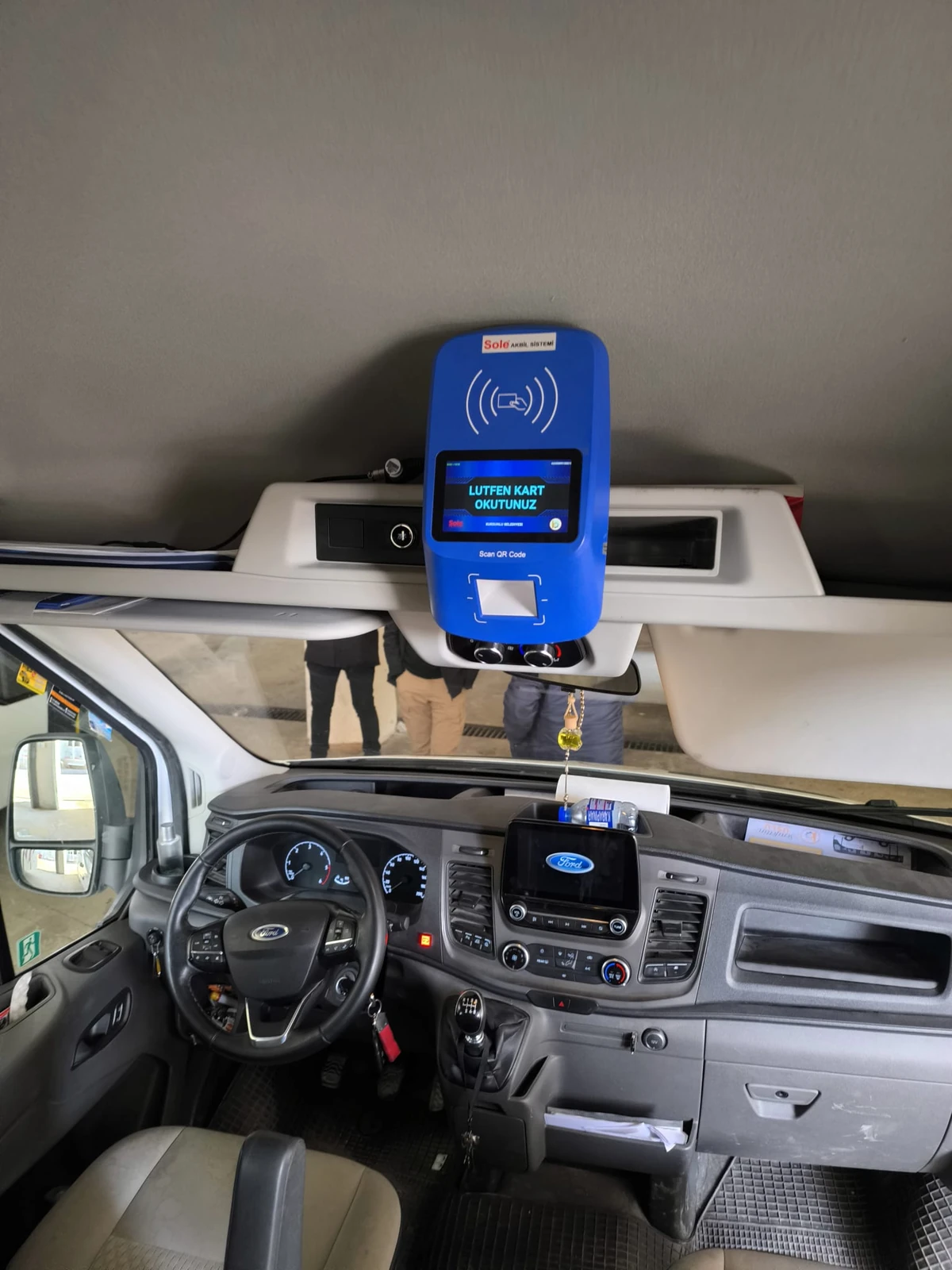
- Vehicle layer: A Sole validator was mounted in each vehicle, positioned during installation by measuring the driver's area and passenger flow. The device is powered from the vehicle's own electrical system, and the wiring was concealed so as not to enter the driver's working space. The fare is not calculated on the device but read from the tariff defined for the card type.
- Top-up layer: Balance loading is done at a point designated by the municipality, every transaction is documented with a receipt, and money never changes hands inside the vehicle.
- Central layer: Card types, tariffs and discount entitlements are defined centrally; the devices synchronise these definitions regularly.
Every transaction being traceable
No passage is lost even during a connectivity gap: the device writes the transaction to its own memory and relays it centrally once the connection returns. Record integrity thus stops depending on network quality. The municipality can see every boarding with card, vehicle, time and tariff; because it can be measured which departure actually carries passengers, departure times can be rescheduled according to data. The balance on a lost card can be frozen and transferred to a new one.
The benefit delivered
- A network outage does not stop the route. Passages are accepted on the vehicle and relayed once connectivity returns; no records are lost.
- Departures running empty can be identified. On a small fleet this is the most valuable gain: departure times were rescheduled to real demand.
- Revenue is on the record. Daily and monthly route revenue is reported without manual counting.
- The driver only drives. The burden of taking money and giving change is gone.
- The installation does not restrict use of the vehicle. The device position was measured separately for each vehicle.
Carrying the card beyond transport
Kursunlu Municipality's card is a municipal card assigned to the citizen. The same card can later be used at a sports facility entrance, a cultural centre, a public canteen or a library; each service is defined and reported separately in the system. In a rural district this means citizens reach all municipal services with a single card.