
The project's need
The project in Chad is the example where the Sole akbil infrastructure was applied outside Turkiye and outside transport. The requirement was to manage access to, and usage records for, services offered to university students (canteen, dormitory and other student services) through a single card. There were three core challenges:
Verifying entitlement. Who could use which student services, and to what extent, had to be verified at the door quickly and without dispute. Checking against a paper document was both slow and open to abuse.
Usage could not be measured. Because it was unknown how much each service was used, resource planning rested on guesswork.
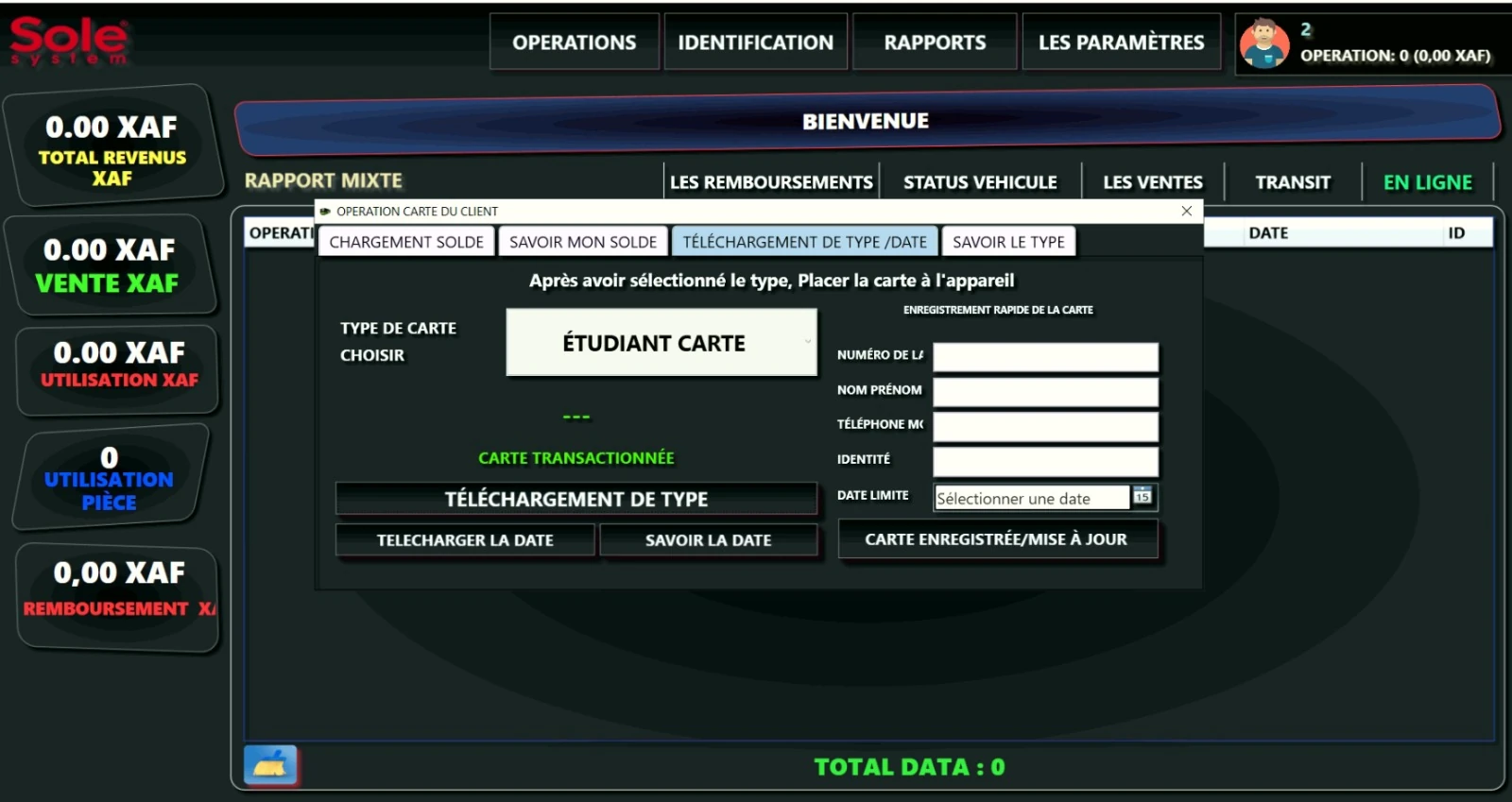
Language. Both the administrative interface and the cards had to suit local use - that is, work in French (and, on the card, alongside Arabic).
Why the Sole infrastructure was chosen
The Sole akbil system has been data-driven from the outset: the device does not know what entitlement is defined on a card, it only acts on the definition coming from the centre. Thanks to that architecture there is no structural difference between a "bus passage" and "canteen access" - both are simply services defined in the system. The Chad project proved this concretely: infrastructure developed for transport was adapted to a university service card system without rewriting the code.
The general structure of the system
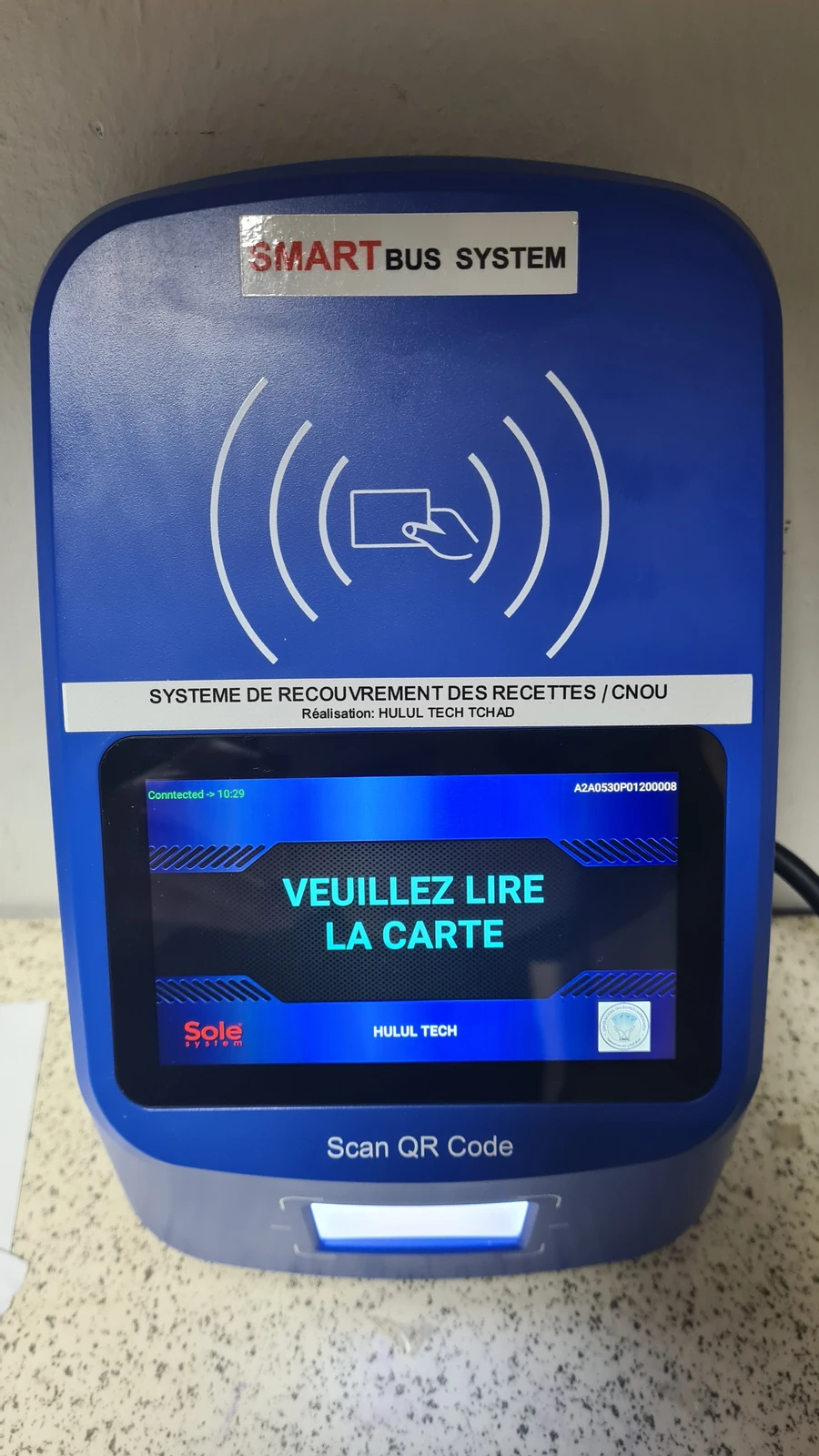
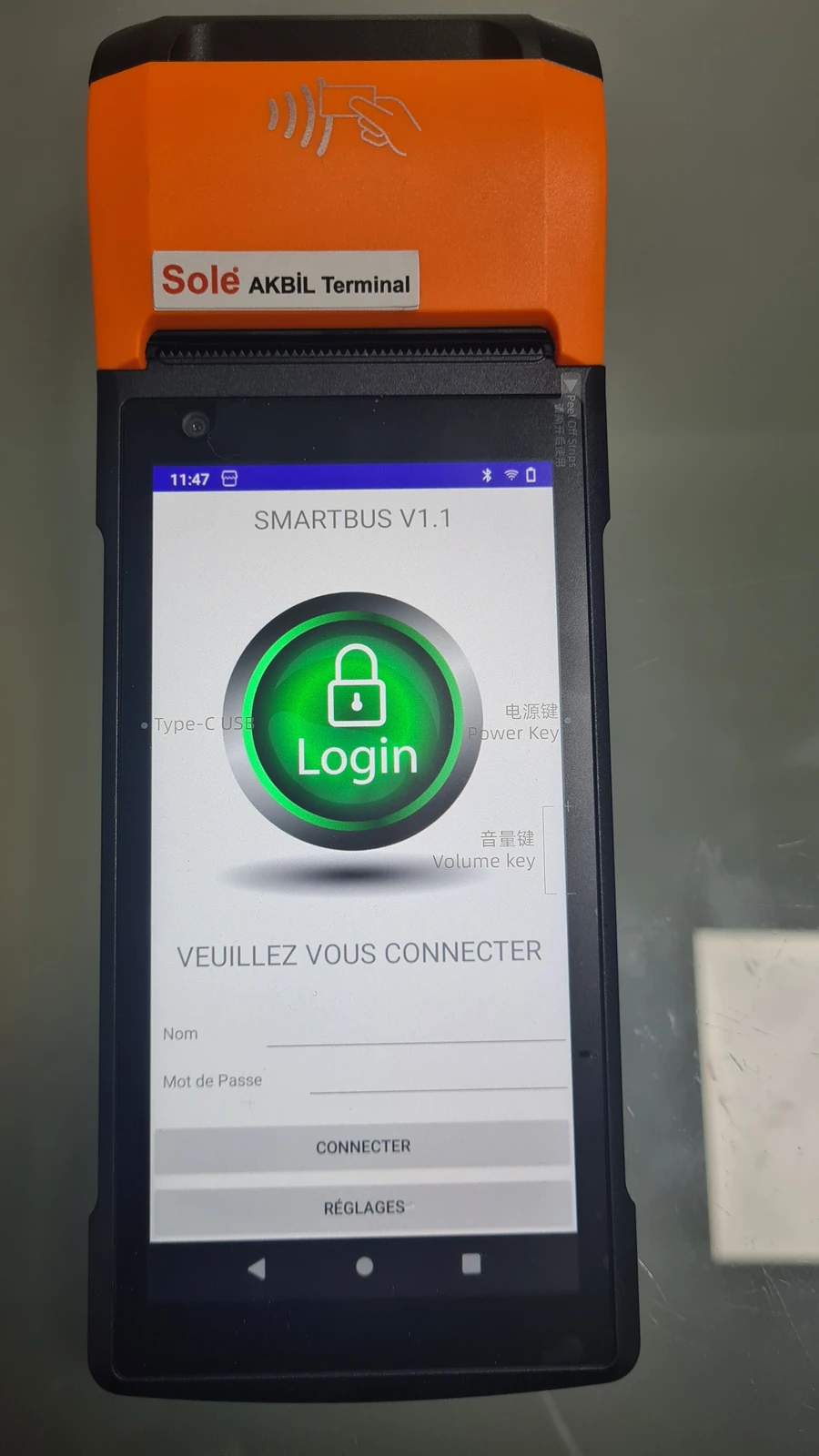
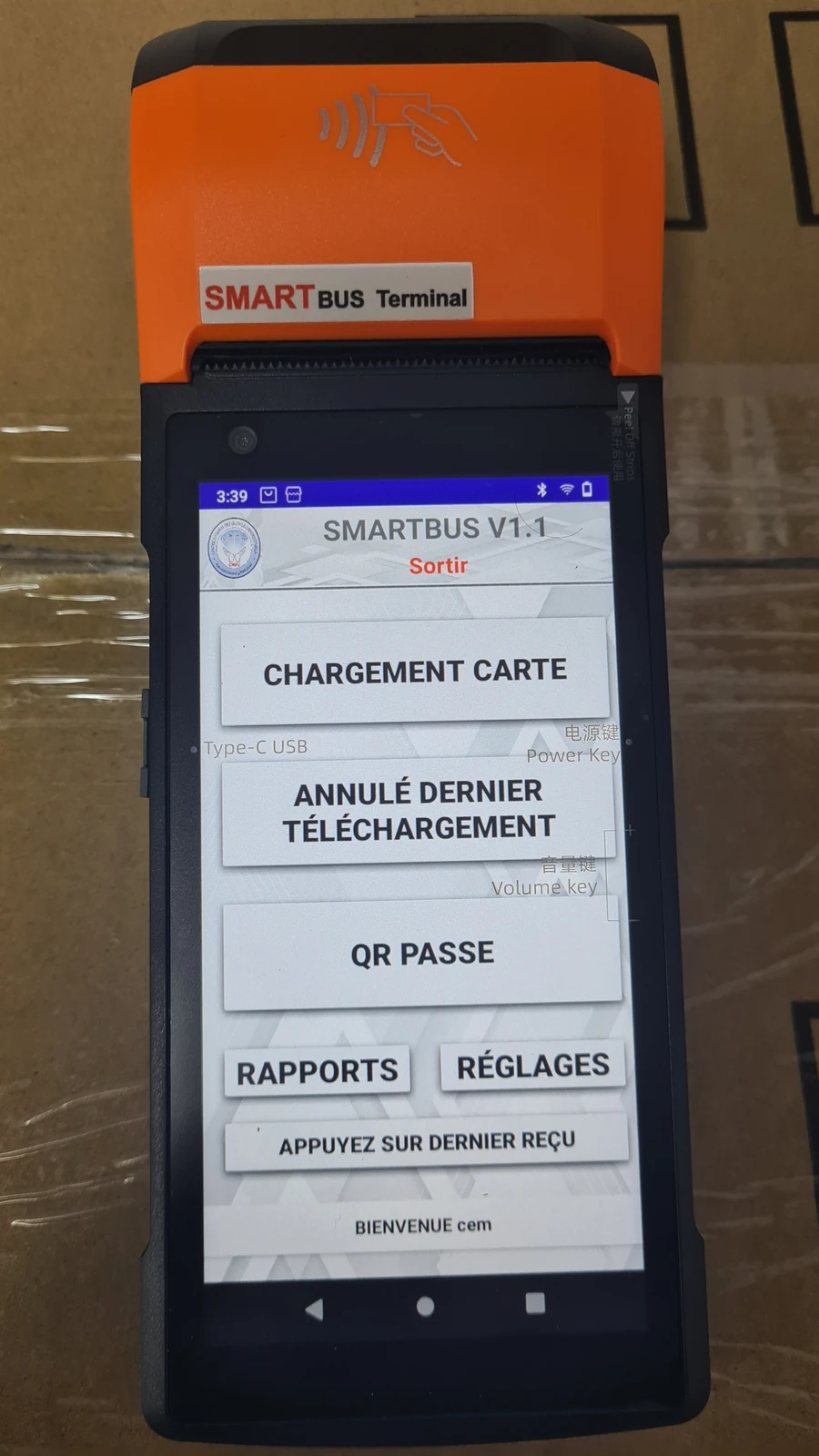
- Terminal layer: Card reading terminals were installed at service points. When a card is tapped, the entitlement check is performed on the terminal; if there is no connectivity the transaction is accepted locally and relayed centrally once the connection returns.
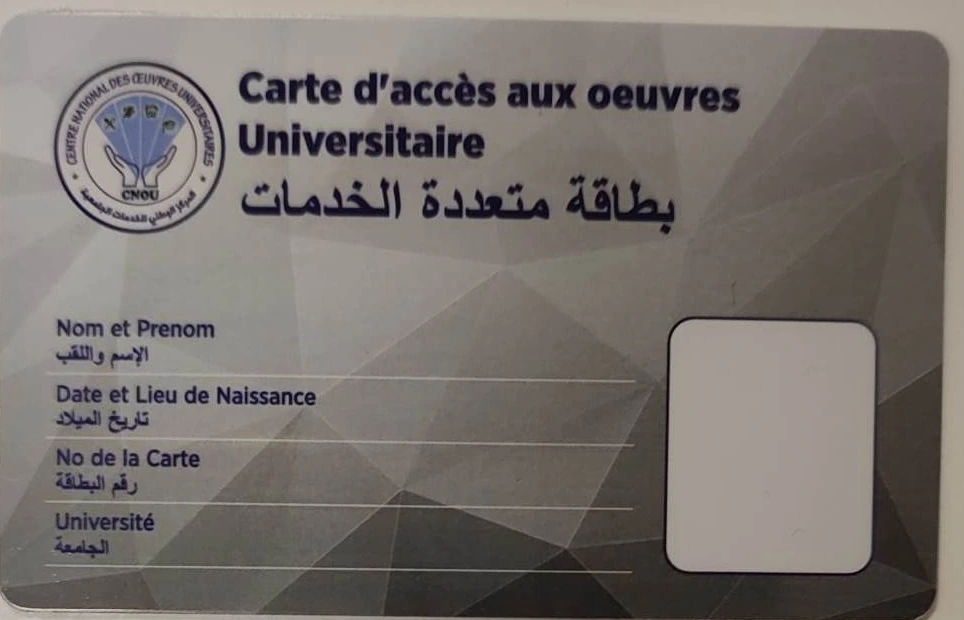
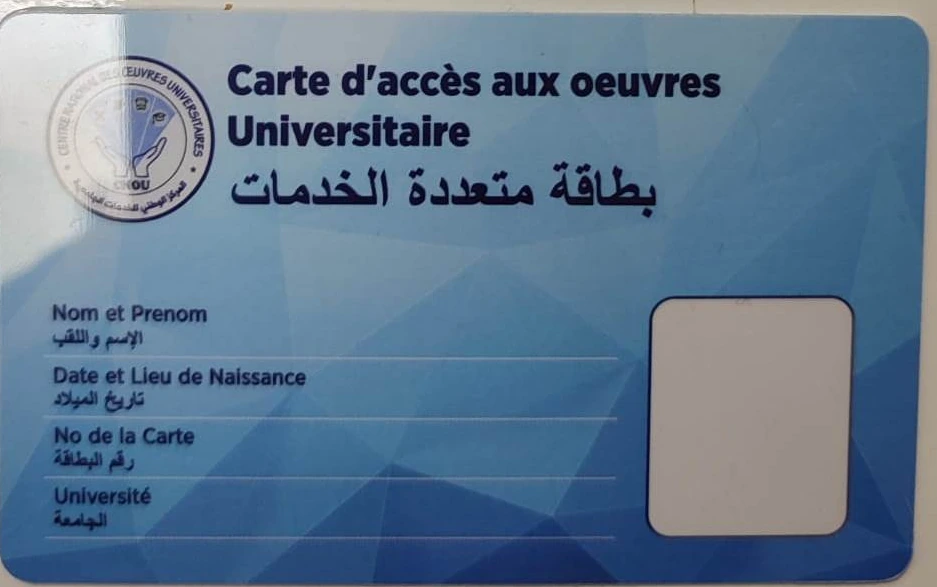
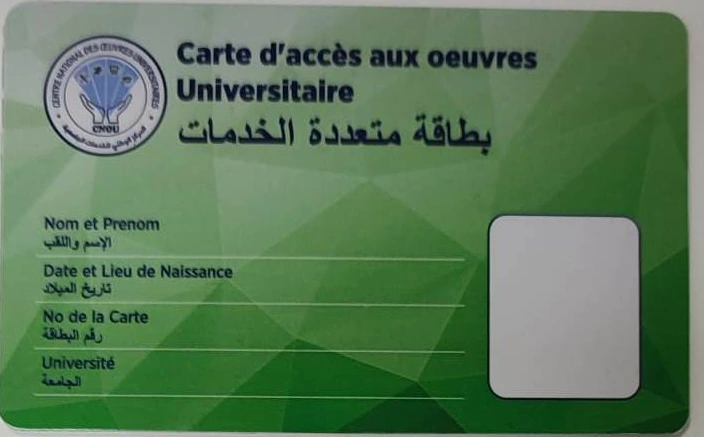
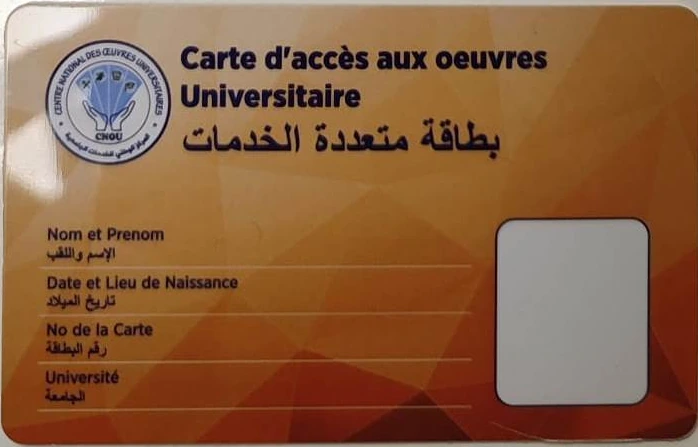
- Card layer: Students were issued a multi-service access card with fields for name, place and date of birth, card number and university. The texts on the card appear in French and Arabic together.
- Central layer: Service definitions, entitlement groups and reporting are managed from the central software. The administrative interface runs in French.
Every transaction being traceable
Every card tap is recorded with card, terminal, time and service. This makes it measurable which service is used at what hours and at what intensity, so resource planning rests on data rather than assumption. A lost card can be blocked centrally and a new one issued; an attempt made with a blocked card is also recorded.
The benefit delivered
- Entitlement is verified at the door within seconds. Paper document checks and the queues they caused are gone.
- Service usage became measurable. How much demand each service sees is reported, and resources are planned accordingly.
- Multilingual operation was proven. The management software ran in French and the cards were used in the field in French and Arabic.
- Offline operation was tested abroad as well. Terminals continued to accept transactions during network outages.
- Portability of the infrastructure beyond transport was demonstrated. The same system ran in a different service domain with no code changes.
Extending the card across services
The Chad project showed that the city card logic holds independently of transport. Because every service is defined separately in the system, the same card can later be extended to new service points (library, sports facility, transport) without building additional infrastructure. The cardholder reaches every service with a single identity, while the institution sees them all in a single report.
Card designs
Multi-service university access cards printed for CNOU (Centre National des Œuvres Universitaires). The fields on the card are printed in French and Arabic together; the colour difference is used to distinguish the student’s university or service group.